Behind The Scenes of Royal Windsor Horse Show’s Military Connections: Equestrian Tradition and Modern Medicine
First staged in 1943 to raise funds for the War effort, Royal Windsor Horse Show celebrates a longstanding and close relationship with the Armed Forces. This enduring connection is prominent at the Show, particularly through the presence of the United Kingdom’s two best-known equestrian regiments; The King’s Troop, Royal Horse Artillery, who perform the Musical Drive at the Show, and the Household Cavalry Mounted Regiment, who present the prestigious Princess Elizabeth Cup to the year’s Best Trooper at the Show.
The Princess Elizabeth Cup is awarded to the most outstanding cavalry trooper, and recognises the highest standards of turnout, horsemanship, military discipline and soldering skill. For those in contention, Windsor will be a home from home – as it is nearby Combermere Barracks that will have played the most significant role in their pathway to date. The barracks, located in central Windsor, is the home of the Household Cavalry Mounted Regiment Training Wing, and as such it is the starting line for not just all cavalry personnel – who all learn to ride here – but also all cavalry horses, for whom Combermere provides the initial setting for their backing and training to become fully-fledged cavalry blacks.
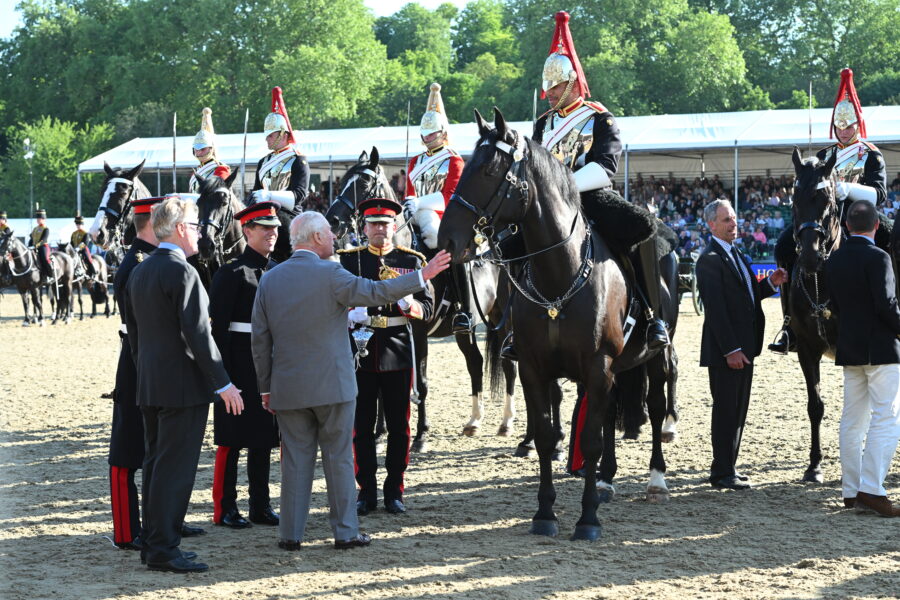
For the servicemen and women, training at Combermere Barracks not only includes learning to ride and mounted exercise, but also practical stable work and horse management. Instilling high standards of horsemanship from the very beginning is crucial to the soldiers’ ceremonial roles on state occasions– when they are expected to be able to manage their mounts in front of huge crowds with the eyes of the world upon them.
Each element of a typical day at Combermere reflects a horse-first approach, grounded in consistency and attention to detail. Troopers are taught the hows and whys of the equipment they use, how to tack up, what the pre-ride inspections look for, and the responsibilities of care before and after exercise. The mounted work in the arena brings these elements together, demonstrating the balance, control and partnership required to be part of the Household Cavalry.
For Trooper Newell of The Life Guards, the foundations that were set during his time at Combermere have paid off, and he now finds himself in contention for the 2026 Princess Elizabeth Cup. Speaking of being put forward for the award, which involved a week of assessment across multiple elements from fitness, to mounted navigation and kit cleaning, Trooper Newell said: “We don’t find out who has won until Royal Windsor Horse Show, so the wait is quite nerve-wracking, but I’m really excited for the Show and let’s see how it goes. It would be amazing to win – my father was in the military before me and it would make me and him so proud, and it would make my division proud. You give it your all that week, so to win it would be amazing.”
Royal Windsor Horse Show is also this year further recognising the role of horses in supporting veterans and serving personnel. The 2026 Show charity – Warrior Equine – offers equine-assisted programmes to support recovery, build confidence and develop emotional resilience of veterans and serving personnel. Founded in 2019, Warrior Equine delivers courses designed to support Armed Forces personnel, veterans and others living with the effects of psychological trauma, including anxiety, burnout, social withdrawal and loss of confidence.
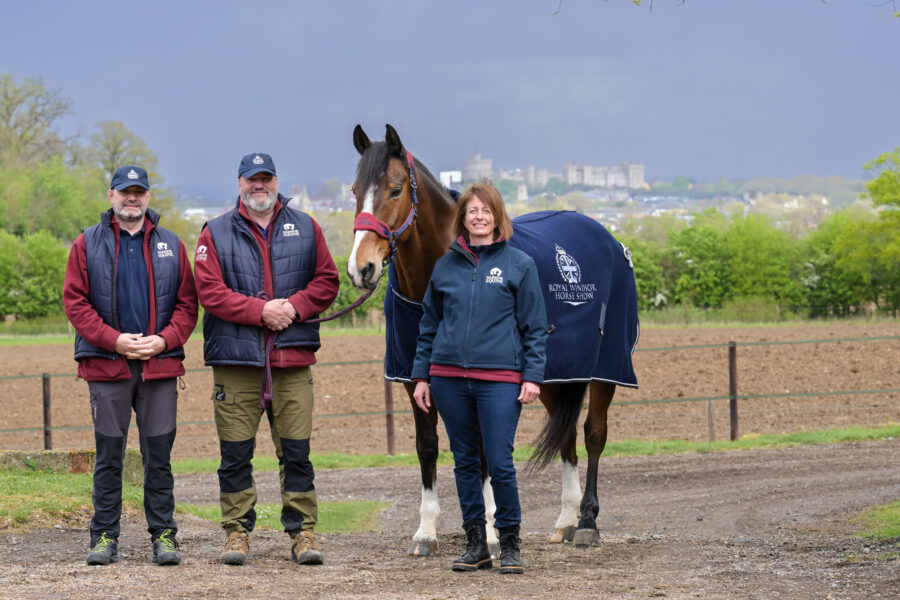
Working with horses on the ground rather than riding, the charity’s approach is centred on the animals’ sensitivity to human emotion and behaviour, helping participants to build trust, regulate responses and develop practical coping strategies through calm, focused communication.
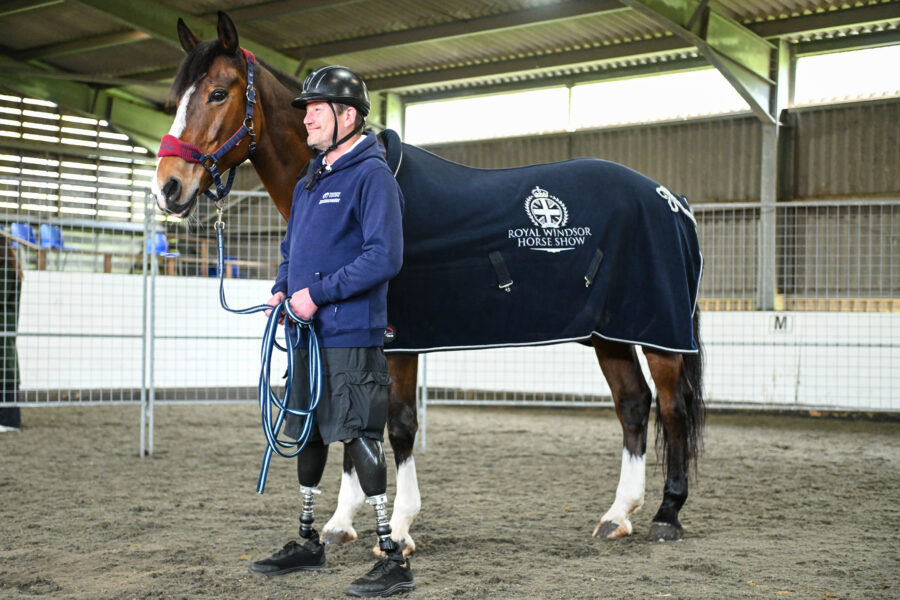
Al Strudwick, an Army veteran and former Sergeant with the Intelligence Corps, who was diagnosed with complex PTSD following operational tours and later survived life-threatening illness resulting in double leg amputation, described his experience with Warrior Equine as life-changing, helping to rebuild his confidence and re-engage with life.
The Warrior Equine Ambassador said: “After everything I went through, I lost my confidence and became very restricted in how I lived my life. Warrior Equine helped me rebuild that confidence and, more than that, gave me a sense of freedom again. I was initially very sceptical and even fearful of horses, but the experience pushed me beyond what I thought I was capable of. It has had a lasting impact and continues to shape how I approach everyday life.”
Rachel Virdee, a Royal Navy veteran of over 30 years who has navigated PTSD, depression and burnout, and John Lewis, a former RAF reservist whose life was significantly altered following serious injury, have also spoken of the programme’s lasting impact in helping them better understand and manage their emotional responses.
Lewis said: “At first, I was terrified to be on the course and didn’t even like horses, but this was my last chance saloon – I’d tried many different types of therapy before and nothing had made any difference to my life… The work I did with horses through Warrior Equine was a turning point in my life – I couldn’t lie to the horses, put a mask on as I had so many times before – they sense what is going on inside your body, not what you’re presenting outside your body and they don’t see the mask. The horses could sense what the therapists couldn’t.”
Inspector Nick Morton of West Midlands Police, a serving police officer, who following a diagnosis of complex PTSD after 26 years of service, has described his experience with Warrior Equine as both enlightening and transformative.
Morton said: “I’ve gone from having panic attacks in public spaces, to being able to keep a steady head in all circumstances. The horse therapy has taken me back to thinking ‘there’s nothing I can’t deal with’ – it’s given me that confidence again to believe in my own ability.”
Together, these experiences offer a powerful reflection of the programme in practice, demonstrating how equine-assisted approaches can support individuals in building trust, developing emotional awareness and strengthening resilience in a practical and lasting way.
Ele Milwright, Founder and CEO of Warrior Equine, commented: “Horses are incredibly sensitive to human emotion and respond instantly to the energy we bring into the space. That gives people a unique opportunity to understand how they are feeling and to practise regulating those emotions in real time. For many of those we work with, that process can be transformative. To have the support of Royal Windsor Horse Show is hugely meaningful for us, as it allows us to share that impact and the role horses can play in supporting recovery.”
Simon Brooks-Ward, Chairman of Royal Windsor Horse Show, said:“Royal Windsor Horse Show has always been closely connected to the Armed Forces, and horses have long played a central role within that relationship. What this day demonstrates is the breadth of that connection – from the discipline and tradition seen at Combermere Barracks to the profound impact horses can have in supporting wellbeing and recovery through organisations such as Warrior Equine. It is a powerful reflection of the many ways in which horses continue to serve, both within and beyond the sphere of sport.”
Click here to book tickets to the 2026 Show.